

The Homeowner’s Guide to Safe Propane Use
Propane is a versatile and widely used fuel source that powers everything from backyard grills to home heating systems. However, like any energy source, it requires a basic understanding of safety practices to ensure it is used correctly and without incident. Propane offers efficiency and reliability, making it a popular choice for both residential and commercial applications. According to GlobeNewswire, the residential heating market in the U.S. was expected to reach $31.4 billion in 2025. As the residential heating market continues to expand, understanding propane safety is more relevant than ever. Here, we'll guide you through essential propane safety measures, how to handle it, and maintain your appliances for optimal safety.
Understanding Propane: Basics and Benefits
Propane, also known as liquefied petroleum gas (LPG), is a colorless, odorless hydrocarbon that can be compressed into a liquid for storage and transport. It is produced as a by-product of natural gas processing and crude oil refining. Although naturally odorless, a distinct smell is added to propane to help detect leaks for safety reasons. Utilized globally, propane provides a clean-burning fuel source for a wide range of applications, including heating, cooking, and energy generation. Its versatility and efficiency are key reasons for its widespread usage.
Propane's benefits are numerous, beginning with its environmental advantages over other fossil fuels. It burns cleaner than gasoline or diesel, which can significantly reduce carbon monoxide, hydrocarbons, and greenhouse gas emissions. Additionally, propane appliances typically require lower maintenance and repair costs due to their simple design and fewer moving parts. Moreover, propane is a cost-effective fuel source, often cheaper than electricity, especially for heating. This makes it an appealing option for homeowners looking to save on energy costs while reducing their environmental footprint.
Propane is commonly used in residential, commercial, and industrial settings. In homes, it fuels everything from heating systems and water heaters to stoves and dryers. Commercial establishments use propane for heating and powering equipment in sectors such as agriculture, construction, and hospitality. Industries rely on propane as a fuel source for forklifts, fleet vehicles, and even large-scale power generation. Its application stretches across various fields due to its efficiency and adaptability.
Safe Storage of Propane Tanks
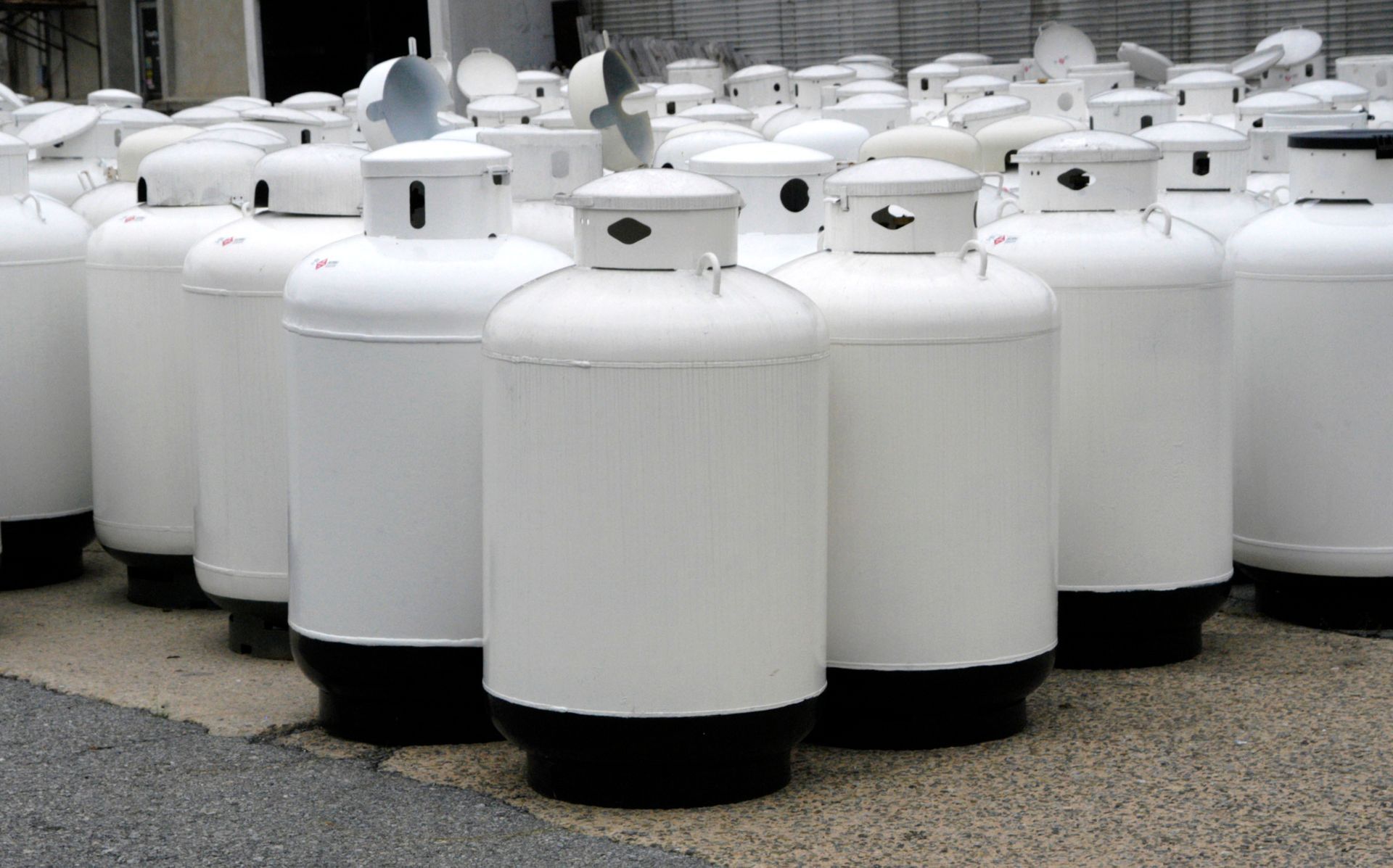
Choosing a safe location is crucial to the secure storage of propane tanks. Tanks should be positioned outdoors and away from living areas, ideally on a flat, non-flammable surface. It is important to keep them at a safe distance from electrical outlets or any ignition sources to prevent any accidental fires. Ensuring that tanks are stored upright and not exposed to potential hazards can avert damage. Regular checks should be conducted to confirm the area remains suitable over time.
Proper temperature management is essential for propane tank safety, as extremely high temperatures can cause the gas to expand and potentially lead to leaks or explosions. Tanks should not be stored in areas that receive direct sunlight or near heating vents. Cooler, shaded locations are preferable, with temperatures ideally remaining below 120 degrees Fahrenheit. In addition, drastic temperature fluctuations should be avoided as these can weaken tank structures. Understanding ambient conditions will ensure safe and prolonged tank service.
Careful handling of propane tanks is necessary to prevent accidents. Always use appropriate equipment, such as dollies, when moving tanks to avoid personal injury or structural compromise. Ensure connections to appliances are secure and in line with manufacturer guidelines. Avoid dragging, dropping, or subjecting tanks to physical impact, and use protective gear if necessary. Following these practices helps mitigate risks associated with improper handling.
Operating Propane Appliances Safely
Understanding how to correctly operate propane appliances begins with thoroughly reading and understanding the manufacturer's manuals. These documents provide detailed instructions on installation, usage, and maintenance personalized for specific models. Ignoring these guidelines may lead to improper use and potential hazards. Manuals also contain troubleshooting sections to address common issues without compromising safety. Adhering to these guides ensures operations are within designed parameters, minimizing risk.
Ensuring proper ventilation is important for the safe operation of propane appliances. Proper airflow prevents the accumulation of unburned propane inside spaces, which can pose significant risks. Appliances installed in enclosed areas without appropriate vents may cause dangerous buildups of carbon monoxide, which is undetectable without sensors. Regularly checking ventilation systems and ensuring no blockages will help maintain air quality and combustion efficiency. Safety is amplified through consistent airflow vigilance.
Maintaining safety while using propane cooking appliances requires careful attention. Regular inspection of hoses and connections for any signs of wear is essential to prevent leaks. Moreover, only using outdoor appliances outside and ensuring stability can further reduce risks. When lighting burners, keep faces and hands away to avoid any potential flare-ups. Additionally, ensure that flame extinguishers and other emergency extinguishing tools are readily available nearby.
Emergency Preparedness and Response
An effective emergency plan is central to managing propane-related incidents. The plan should incorporate steps for immediate response to gas leaks, including evacuation protocols and contact information for emergency services. Family members and facility occupants should familiarize themselves with procedures through regular drills. Having a plan can significantly reduce panic and confusion during actual events. Regularly reviewing and updating the plan keeps preparedness sharp.
Installation of carbon monoxide detectors is essential in homes and facilities using propane appliances. Detectors alert occupants to dangerous levels of carbon monoxide, a byproduct of incomplete combustion. Placing detectors near sleeping areas ensures early warning during high-risk hours. These devices require annual battery checks and routine testing to confirm operational readiness. Incorporating them into safety plans helps protect against poisoning risks, thereby enhancing security.
Owning and understanding how to use fire extinguishers is an asset in managing small propane fires. Class B extinguishers are specifically designed for flammable liquid fires, making them ideal for propane-related incidents. Placing extinguishers in easily accessible locations and regularly checking expiration dates ensures preparedness. Proper training in extinguisher use enhances confidence in emergency situations. Part of emergency planning involves integrating extinguisher checks in safety routines.
Maintenance and Long-Term Care
Integrating regular inspections into usage routines ensures propane systems remain safe and efficient over time. Procedures entail checking for leaks, wear, and functionality, each critical to maintaining structural integrity. Engaging professional inspectors provides thorough evaluations, pinpointing areas requiring attention. Scheduled inspections ultimately help prevent disruptions and prolong appliance lifespan. Prioritizing inspections signifies commitment to long-term system viability and safety.
Decisions regarding repairs or replacements of propane equipment hinge on several factors, including damage severity and cost implications. Minor fixes may suffice for isolated issues, maintaining operational continuity without significant financial outlay. However, frequent or major problems may warrant replacements to safeguard efficiency and safety. Consulting experts for advice aligns response actions with best practices while considering circumstances unique to each situation. Navigating these decisions ensures continued system optimization.
Consistent cleaning and care of propane appliances ensure they operate at peak efficiency and safety. Removing accumulations of dirt, grease, or other debris prevents interference with functionality and potential hazards. Applying manufacturer-recommended cleaning agents preserves equipment condition without causing damage. Establishing cleaning schedules fosters attentive upkeep and appliance longevity. Incorporating these practices into overall care routines supports optimized propane utilization.
Using propane safely involves understanding the fuel's properties, proper storage and handling, careful operation of appliances, and being prepared for emergencies. By following the outlined safety guidelines and maintaining compliance with regulations, you can enjoy the numerous benefits of
propane while minimizing risks. Stay informed and proactive, and your use of propane will be both safe and efficient. Understanding safety measures allows for the effective management of propane systems while appreciating their economic and environmental advantages. Commitment to ongoing education reinforces safety as a fundamental aspect of propane utilization. Contact Frederick Brothers Oil & Propane today for more information.
Share On: