

How Home Heating Oil Keeps Your House Warm
When temperatures drop, a dependable heating system becomes essential for maintaining a comfortable home. For many households, home heating oil provides the fuel needed to produce consistent warmth throughout the winter. While homeowners may simply adjust the thermostat and wait for the temperature to rise, the process behind an oil heating system involves several important steps that turn liquid fuel into heat.
Home heating oil remains a popular option because it can provide powerful, reliable heat even during extended periods of cold weather. Modern systems can also offer improved efficiency compared with older equipment, while advancements in fuel technology and heating equipment have helped address environmental concerns. Understanding how home heating oil works can help homeowners make informed decisions about maintenance, energy use, and heating costs.
What Is Home Heating Oil?
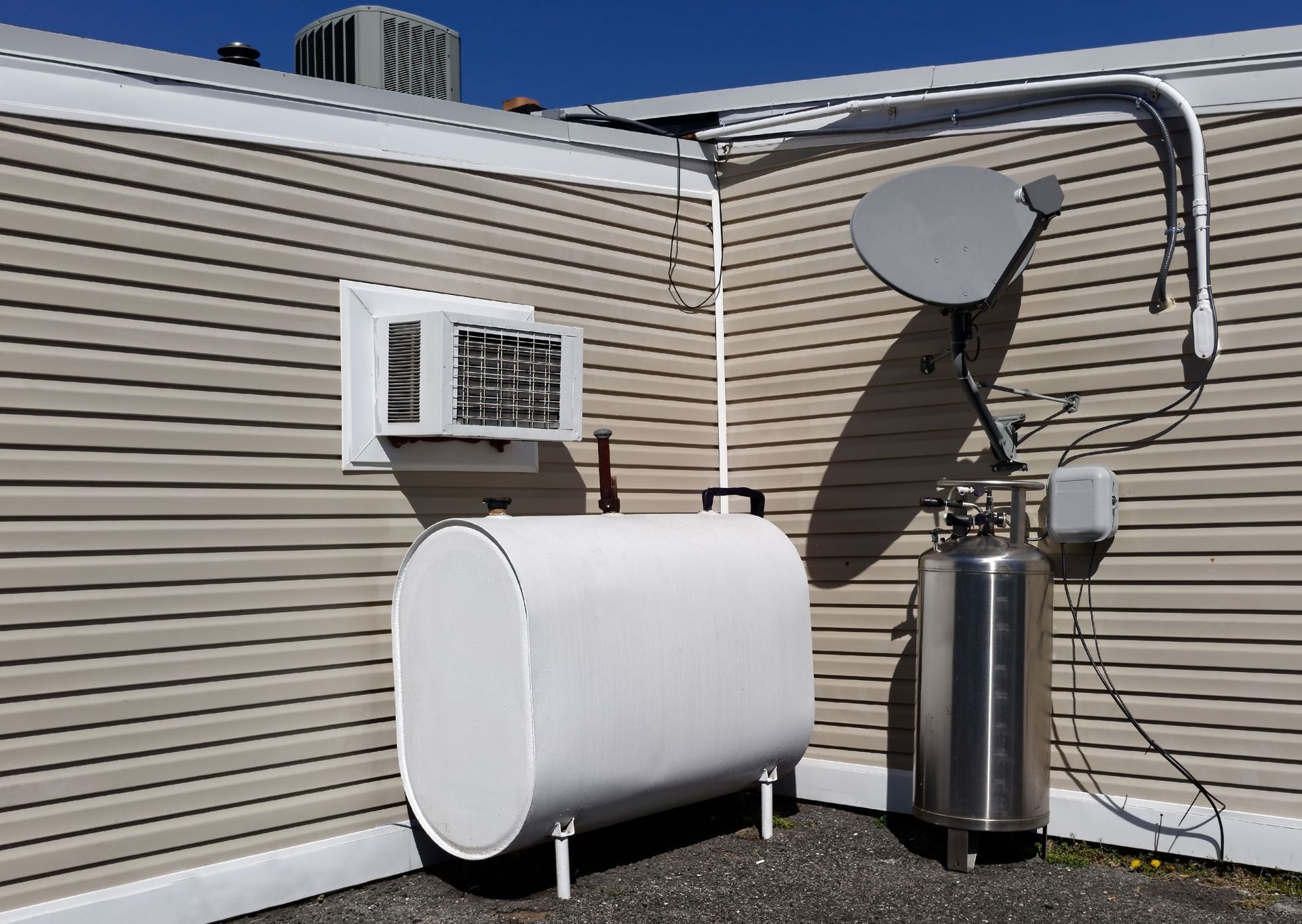
Home heating oil is a liquid petroleum product used as a fuel source for residential heating systems. It is stored in a tank at or near the home and delivered to the heating equipment when the system needs to produce heat. Unlike natural gas, which typically reaches a home through underground utility lines, heating oil is delivered directly to the property and stored for future use.
The fuel itself contains a significant amount of energy. When it is burned inside a furnace or boiler, that energy is converted into heat. The heating system then distributes that heat throughout the home, either through warm air circulated by ductwork or hot water sent through radiators, baseboards, or radiant heating systems.
Because the fuel is stored on the property, homeowners can purchase it in advance and monitor their supply. This can provide flexibility, particularly in areas where heating oil delivery is common. However, homeowners must also pay attention to their tank levels and schedule deliveries before the supply becomes too low.
How Does Home Heating Oil Work in a Heating System?
The heating process begins when a thermostat detects that the indoor temperature has fallen below the desired setting. The thermostat sends a signal to the heating system, activating the burner. A pump draws home heating oil from the storage tank and delivers it to the burner assembly.
Inside the burner, the fuel is atomized into a fine spray. This allows it to mix more effectively with air before ignition. An ignition system then lights the mixture, creating a controlled flame inside the combustion chamber. The heat generated during combustion is transferred to either air or water, depending on the type of heating system.
In an oil furnace, air passes over a heat exchanger. The heat exchanger becomes hot as the fuel burns, and a blower pushes heated air through the home's ductwork. Warm air then enters rooms through vents, gradually raising the indoor temperature.
Oil boilers work somewhat differently. Instead of heating air directly, the burner heats water. A circulator pump sends that hot water through pipes connected to baseboard heaters, radiators, or radiant floor systems. As the water moves through the home, it releases heat into the surrounding rooms.
What Are the Benefits of Using Home Heating Oil?
One of the primary benefits of home heating oil is its ability to produce substantial heat. Oil heating systems can provide strong, consistent warmth, which can be especially valuable in regions that experience long periods of freezing temperatures. A properly sized and maintained system can heat a home effectively without requiring constant operation.
Efficiency is another important consideration. According to InEnergy, warm air heating systems typically achieve efficiency levels of approximately 85% to 92%. This means that a significant portion of the energy contained in the fuel can be converted into usable heat for the home. The actual efficiency of a particular system depends on its age, design, maintenance condition, and operating characteristics.
Reliability is also a major reason some homeowners continue to use home heating oil. Because the fuel is stored on-site, a household does not depend entirely on a continuous utility connection to receive fuel. With sufficient fuel in the tank and a properly maintained heating system, homeowners can continue producing heat throughout the winter.
Heating oil systems can also provide flexibility for homeowners who want to upgrade their equipment. Newer furnaces and boilers may offer improved efficiency compared with older models. Professional maintenance can further improve performance by addressing issues such as dirty burners, clogged filters, malfunctioning nozzles, or poor combustion.
Is Home Heating Oil Environmentally Friendly?
The environmental impact of home heating oil depends on the type of fuel used, the efficiency of the heating equipment, and the way the system is maintained. Burning any petroleum-based fuel produces carbon dioxide emissions, meaning oil heating has an environmental impact that homeowners should consider.
However, modern heating technology has improved significantly compared with older systems. Newer equipment is designed to extract more heat from each unit of fuel, reducing the amount of fuel needed to maintain a comfortable indoor temperature. Better combustion technology can also reduce certain emissions produced during the heating process.
The fuel itself has also evolved. Ultra-low-sulfur heating oil contains substantially less sulfur than traditional heating oil, which can reduce sulfur dioxide emissions. In some markets, bioheat blends combine conventional heating oil with renewable biodiesel components. These blends can offer homeowners another option for reducing the petroleum content of their heating fuel without immediately replacing their entire heating system.
How Can You Save Money on Home Heating Oil?
Managing heating costs begins with improving the overall efficiency of the home. Even a highly efficient heating system may need to run frequently if heat escapes through poorly insulated walls, ceilings, windows, or doors. Adding insulation and sealing air leaks can reduce the amount of heat the home loses.
Thermostat settings also affect fuel consumption. Lowering the thermostat slightly when residents are sleeping or away from home can reduce the amount of energy needed to maintain the indoor temperature. A programmable or smart thermostat can make these adjustments automatically.
Regular maintenance is another important way to control home heating oil costs. A technician can inspect the burner, clean important components, replace filters, and check the system's operation. A well-maintained system can operate more efficiently than one that has accumulated dirt, soot, or worn components.
Homeowners should also monitor their fuel usage. Paying attention to how quickly the tank level falls can help identify unusual increases in consumption. A sudden change may indicate an equipment problem, increased heat loss, or another issue that needs attention.
What Should Homeowners Consider About Home Heating Oil?
Although home heating oil offers several benefits, it is not the right choice for every property. Homeowners must have adequate space for a storage tank and understand the responsibilities associated with maintaining it. The system also requires regular deliveries, unlike heating systems connected to a continuous natural gas utility line.
The age of the heating equipment is another important factor. Older systems may consume more fuel than modern high-efficiency equipment. In some cases, replacing an outdated furnace or boiler may reduce long-term heating costs, particularly if the existing system requires frequent repairs.
Homeowners should also consider the condition and location of the storage tank. Professional inspections can help identify corrosion, leaks, or other issues before they become serious problems. Proper installation and maintenance are important for protecting the home and surrounding property.
The benefits of home heating oil include strong heating performance, reliable operation, and the ability to store fuel on-site. Modern equipment and cleaner fuel options have also helped improve efficiency and address some environmental concerns. At the same time, homeowners should consider fuel storage, delivery requirements, maintenance, and emissions when evaluating their heating options.
With proper maintenance, efficient equipment, good insulation, and thoughtful energy management,
home heating oil can provide dependable warmth throughout the coldest months of the year. Understanding how the system works gives homeowners a better foundation for managing their heating costs and keeping their homes comfortable. If you're looking for reliable fuel oil heat, reach out to Frederick Brothers Oil & Propane today!
Share On: